
Waste Reduction Strategies for Canadian Food Service

Comprehensive waste stream auditing and reduction planning for restaurants, cafés, and food service establishments across Canada

Waste stream analysis and bin composition audit

Understanding Your Waste Stream

Food service establishments generate diverse waste streams that often go unanalyzed. We conduct detailed bin composition analysis to identify what enters your waste, recycling, and composting streams. This foundation allows us to develop targeted reduction strategies aligned with municipal programs.

Our approach combines on-site observation, staff interviews, and supplier packaging assessment to create a complete picture of waste generation patterns throughout your operation.

Learn About Our Approach

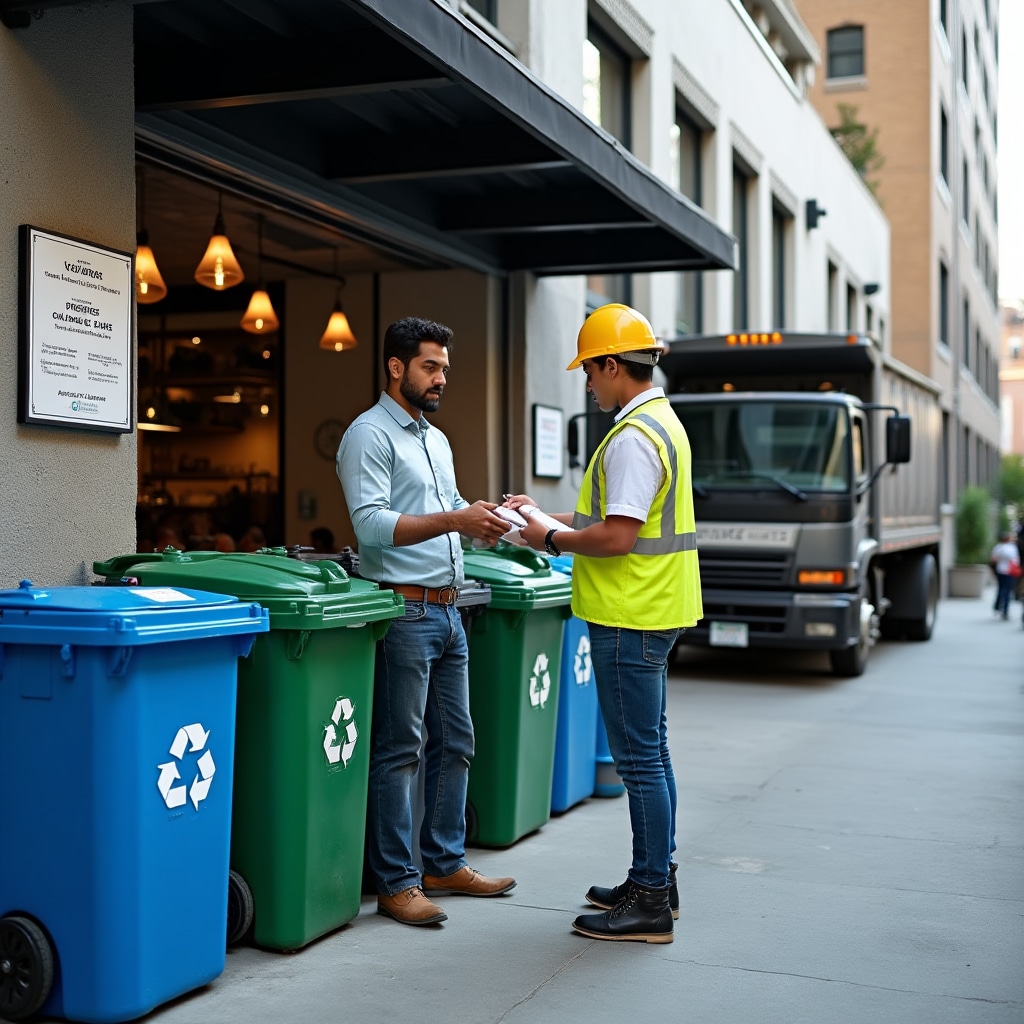
Comprehensive Waste Reduction Services

From initial audit through staff training and ongoing monitoring, we provide complete waste reduction support

Waste Stream Auditing

Detailed bin composition analysis documenting what enters each waste stream. We sort and weigh contents to identify contamination patterns and diversion opportunities specific to your operation.

Supplier Packaging Assessment

Review of incoming packaging materials from your suppliers. We identify opportunities to work with vendors on packaging reduction and material substitution that aligns with local recycling capabilities.

Portion Waste Tracking

Monitoring of plate waste and prep waste to identify menu items or preparation methods generating excessive disposal. Data collection helps inform portion sizing and menu planning decisions.

Staff Training Programs

Hands-on training sessions teaching proper separation protocols for waste, recycling, and compost streams. Training tailored to your specific municipal program requirements and facility layout.

Diversion Rate Documentation

Ongoing measurement and reporting of waste diversion rates. Regular documentation tracks progress toward reduction goals and provides data for sustainability reporting requirements.

Waste Reduction Roadmaps

Actionable implementation plans detailing specific steps to reduce waste generation and improve diversion. Roadmaps align with municipal composting and recycling program requirements.

Restaurant kitchen waste separation protocols

Tailored to Food Service Operations

Food service establishments face unique waste challenges. High-volume operations, diverse material streams, time-sensitive workflows, and staff turnover all impact waste management. Our consulting recognizes these operational realities.

We work within your existing kitchen flow and service patterns. Training sessions fit staff schedules. Recommendations account for space constraints and equipment limitations. The goal is practical improvement, not theoretical ideals.

How Waste Auditing Works

A structured approach to understanding and improving your waste management

01

Initial Assessment

We visit your establishment to observe operations, review current waste handling procedures, and discuss your specific challenges and goals. This includes examining your waste storage areas and understanding pickup schedules.

02

Bin Composition Analysis

We conduct detailed sorting of waste stream contents over multiple service periods. Each item is categorized and weighed to determine the actual composition of what enters garbage, recycling, and compost bins.

03

Data Analysis & Reporting

Audit findings are compiled into a detailed report showing waste composition by material type, contamination rates, and diversion opportunities. The report identifies specific areas where changes can reduce waste or improve separation.

04

Strategy Development

Based on audit findings, we create a customized waste reduction roadmap. This includes specific recommendations for supplier changes, operational modifications, equipment needs, and staff training priorities.

Ready to Understand Your Waste Stream?

Contact us to discuss waste auditing and reduction strategy development for your food service establishment

Schedule a Consultation

Aligned With Municipal Programs

Canadian municipalities operate diverse waste management programs with specific requirements for commercial food service establishments. Composting availability, recycling stream specifications, and collection schedules vary significantly by location.

Our waste reduction strategies account for your municipality's specific program requirements. We ensure recommendations work within available collection services and accepted material lists. This alignment prevents contamination issues and maximizes diversion rates.

Whether your municipality offers source-separated organics collection, single-stream recycling, or specialized commercial programs, we design strategies that integrate with existing infrastructure.

Municipal composting and recycling program integration

Common Questions

Answers to frequently asked questions about waste auditing and reduction consulting

A comprehensive waste audit typically requires sampling across multiple service periods to capture variation in waste generation. Initial site assessment takes a few hours. Bin composition analysis spans several days to collect representative samples from different meal periods and days of the week. Complete analysis and reporting usually requires two to three weeks from initial visit to final report delivery.

We physically sort through the contents of your waste, recycling, and compost bins. Each item is categorized by material type and weighed. This shows exactly what enters each stream and identifies contamination. For example, we might find recyclable cardboard in garbage bins, or food waste in recycling. The detailed breakdown reveals specific opportunities for improved separation and waste reduction.

Yes. Small independent cafés and large restaurant operations both generate waste streams that benefit from analysis. The scope and depth of auditing adjusts to establishment size and complexity. A small café might complete auditing in a shorter timeframe with simpler recommendations, while a large restaurant with multiple service areas requires more extensive analysis and detailed implementation planning.

Training sessions are conducted on-site and tailored to your specific waste streams and separation requirements. We work with your scheduling to train staff during shift changes or designated training times. Training covers what materials go in each bin, common contamination issues specific to your operation, and proper handling procedures. We provide visual guides and signage to support ongoing compliance after initial training.

Roadmaps are action-oriented documents detailing specific steps to reduce waste and improve diversion. They include prioritized recommendations with implementation timelines, supplier conversations to pursue, equipment or infrastructure changes to consider, staff training schedules, and measurement methods for tracking progress. Each recommendation includes rationale based on audit findings and expected impact on waste reduction or diversion rates.

Supplier packaging assessment identifies which incoming materials contribute most to your waste stream. We provide specific information about problematic packaging and suggest alternatives. While you maintain direct relationships with your suppliers, we can provide documentation and rationale to support conversations about packaging reduction or material substitution. Some suppliers offer alternative packaging options when customers request them.

Start with a waste audit

Contact Us