Helping food service establishments understand their waste streams and implement practical reduction strategies
Waste reduction begins with accurate information. Many food service establishments operate without clear data about what enters their waste streams. Assumptions about waste composition often differ from reality. Staff may believe they separate materials properly while audits reveal significant contamination.
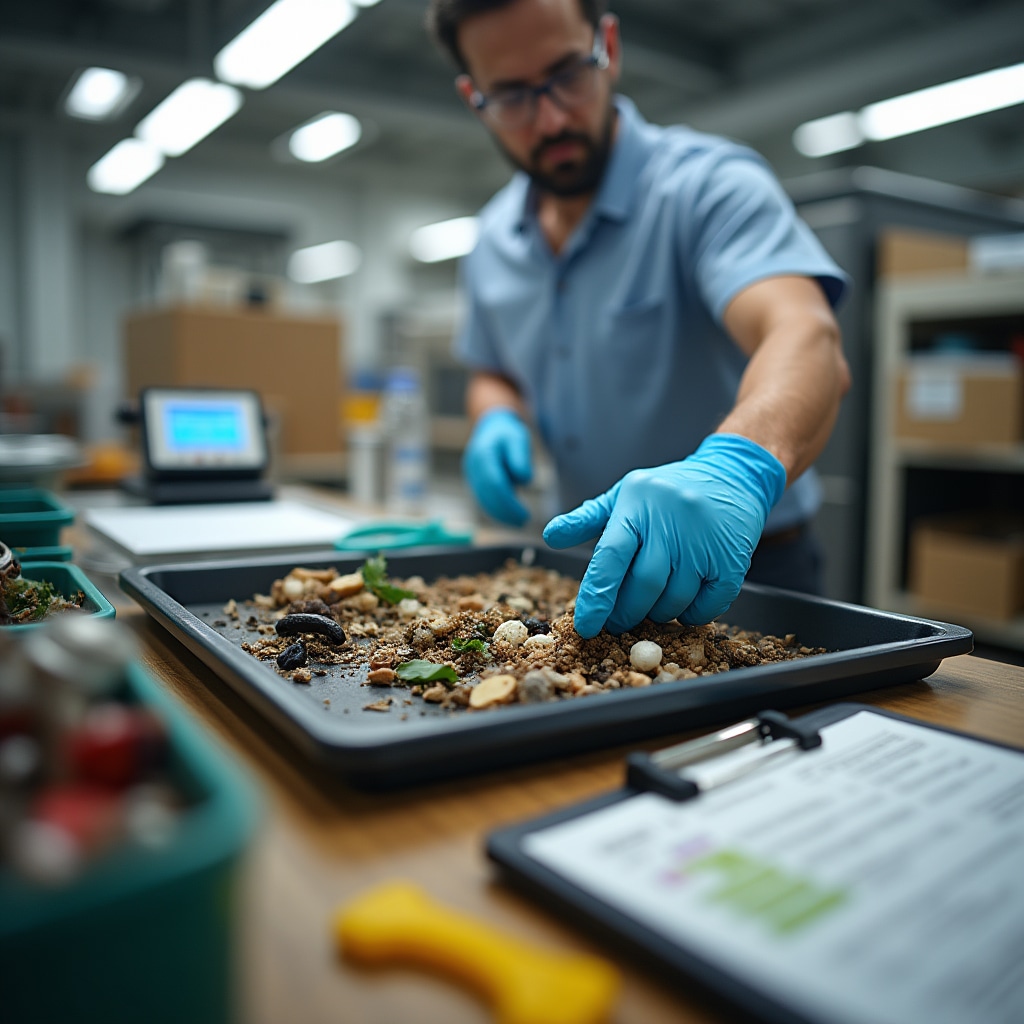
We start every engagement with detailed bin composition analysis because you cannot manage what you do not measure. Sorting and weighing waste stream contents provides the factual foundation for effective reduction strategies.
This data-driven approach removes guesswork. Recommendations target actual waste generation patterns rather than generic advice. The result is practical, actionable strategies specific to your operation.
Principles that guide our waste reduction consulting
All recommendations stem from actual audit data collected at your establishment. We analyze what enters your bins, not what theoretically should enter them. This ensures strategies address real patterns rather than assumptions.
Strategies must work within your actual kitchen flow, space constraints, and staffing realities. We design solutions that fit existing operations rather than requiring complete workflow overhauls. Practical implementation drives adoption.
Waste reduction strategies only succeed when they work with available collection services. We ensure recommendations align with your municipality's specific recycling and composting program requirements, accepted materials, and collection schedules.
Waste separation happens at the point of disposal. Front and back of house staff make dozens of disposal decisions daily. Even the most thoughtfully designed waste management system fails without proper staff understanding and buy-in.
Our training programs explain the why behind separation protocols, not just the what. Staff learn how their disposal decisions impact diversion rates and why certain materials belong in specific streams. This understanding improves compliance more effectively than rules alone.
Training is hands-on and specific to your operation. We use actual examples from your waste audit, discuss common contamination issues observed at your establishment, and address questions about confusing items. This relevance makes training memorable and applicable.
Waste auditing reveals uncomfortable truths. High contamination rates, low diversion percentages, and significant disposal costs are common findings. We present audit results honestly and completely.
Transparency serves clients better than optimistic spin. Accurate understanding of current performance enables realistic goal-setting and effective strategy development. We document what we observe, explain what it means, and recommend specific actions to improve.
Progress tracking continues this transparency. Regular diversion rate documentation shows whether implemented strategies achieve intended results. When approaches are not working, we adjust recommendations rather than continuing ineffective methods.
Canadian municipalities increasingly require commercial food service establishments to participate in waste diversion programs. Composting mandates, recycling requirements, and disposal restrictions reflect growing recognition that landfill capacity is finite and waste management costs continue rising.
Beyond regulatory compliance, waste reduction makes operational sense. Disposal fees represent ongoing costs that scale with waste generation. Reducing what enters waste streams lowers these expenses. Improved separation reduces contamination fees and rejected loads.
Many establishments also face customer and employee expectations around environmental practices. Demonstrable waste reduction efforts respond to these expectations with concrete action rather than general claims.
Our consulting helps establishments meet regulatory requirements, control disposal costs, and implement meaningful waste reduction practices backed by measurement and documentation.
Contact us to discuss how waste stream auditing can benefit your food service establishment
Get in Touch