Waste Stream Auditing
Waste stream auditing involves detailed analysis of what enters your garbage, recycling, and composting bins. We conduct hands-on bin composition analysis by sorting and weighing waste stream contents over multiple service periods.
The audit process captures variation across different meal periods, days of the week, and service types. This comprehensive sampling reveals patterns in waste generation and identifies contamination issues where materials enter incorrect streams.
What Auditing Includes
- Physical sorting of waste, recycling, and compost bin contents
- Categorization and weighing of each material type
- Contamination rate calculation for each stream
- Analysis of waste generation patterns by service period
- Identification of frequently misplaced items
- Detailed composition breakdown report with percentages by material
Supplier Packaging Assessment
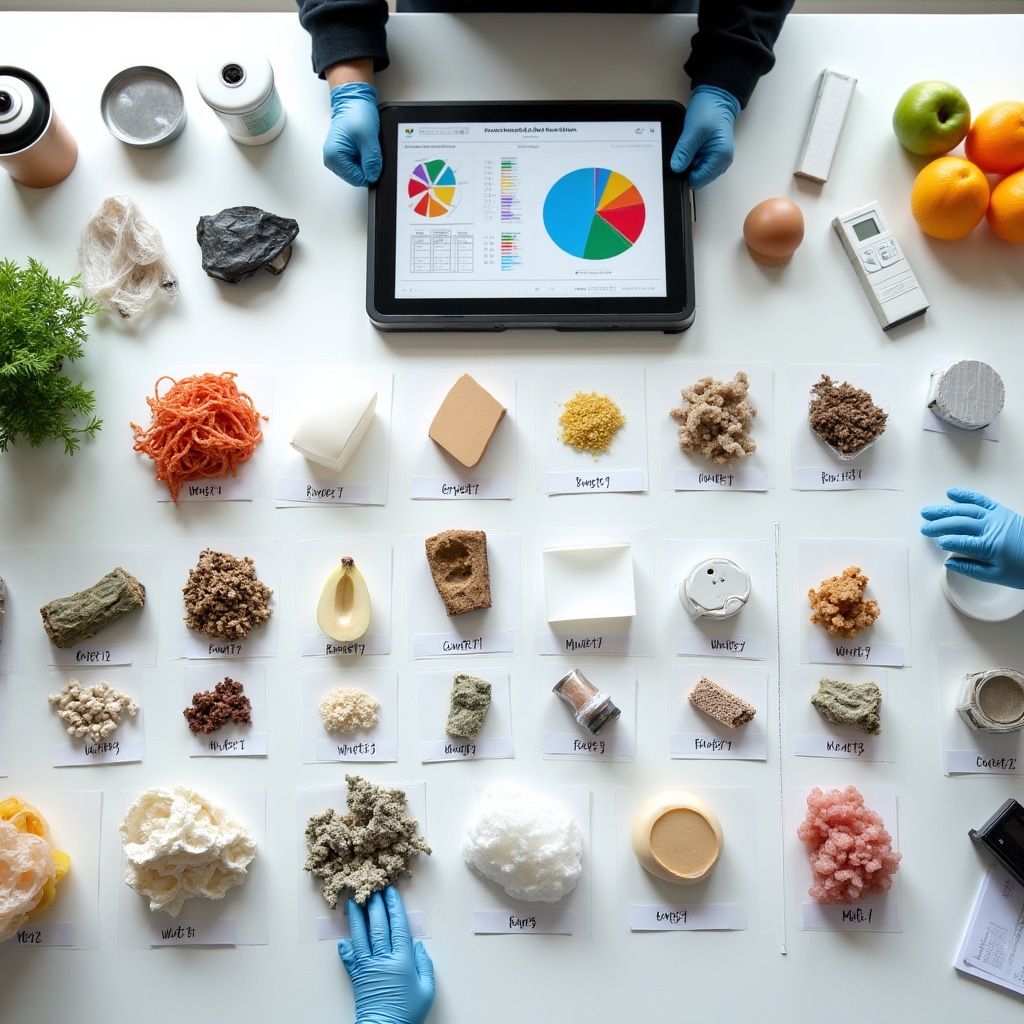
Incoming packaging from suppliers contributes significantly to food service waste streams. We review the packaging materials accompanying deliveries from your vendors to identify reduction opportunities and material substitution possibilities.
Assessment focuses on packaging volume, material recyclability within your municipal program, and opportunities to work with suppliers on packaging changes. Some suppliers offer alternative packaging options when customers request them.
Assessment Components
- Documentation of packaging materials from each major supplier
- Analysis of packaging volume relative to product delivered
- Evaluation of material recyclability in your municipal program
- Identification of excessive or problematic packaging
- Research into alternative packaging options available from suppliers
- Preparation of supplier conversation materials with specific requests

Portion Waste Tracking
Plate waste and prep waste represent opportunities for waste reduction at the source. We implement tracking systems to monitor which menu items or preparation methods generate excessive disposal.
Tracking data helps identify whether waste stems from over-portioning, unpopular menu items, inefficient prep techniques, or other factors. This information supports decisions about portion sizing, menu adjustments, and preparation method modifications.
Tracking Methods
- Monitoring of plate waste by menu item over multiple service periods
- Documentation of prep waste during food preparation
- Analysis of waste generation by menu category
- Identification of high-waste items or preparation methods
- Comparison of waste patterns across different service times
- Recommendations for portion adjustments or menu modifications

Staff Training Programs
Proper waste separation depends on staff understanding and consistent application of separation protocols. We conduct hands-on training sessions tailored to your specific operation, municipal program requirements, and facility layout.
Training covers what materials belong in each stream, common contamination issues observed during your waste audit, and proper handling procedures for confusing items. Visual guides and signage support ongoing compliance after initial training.
Training Program Elements
- On-site training sessions scheduled around staff availability
- Hands-on practice with actual waste items from your operation
- Discussion of audit findings and contamination issues
- Clear explanation of municipal program requirements
- Visual guides showing proper separation for confusing items
- Signage for waste stations with location-specific instructions

Diversion Rate Documentation
Ongoing measurement tracks progress toward waste reduction goals and provides data for sustainability reporting requirements. We establish baseline diversion rates from initial audits and conduct follow-up measurements to document improvement.
Regular documentation shows whether implemented strategies achieve intended results. When diversion rates do not improve as expected, we analyze causes and adjust recommendations. Measurement drives accountability and continuous improvement.
Documentation Process
- Baseline diversion rate calculation from initial waste audit
- Follow-up audits at scheduled intervals after strategy implementation
- Comparison of diversion rates over time
- Analysis of factors affecting diversion performance
- Regular reporting with clear metrics and trend visualization
- Strategy adjustment recommendations based on measurement results

Waste Reduction Roadmaps
Actionable roadmaps translate audit findings into specific implementation steps. These documents detail what to change, how to change it, and when to make each change. Roadmaps prioritize recommendations based on implementation difficulty and expected impact.
Each recommendation includes rationale based on audit data, implementation steps, timeline estimates, and methods for measuring success. Roadmaps align with your municipal program requirements and available collection services.
Roadmap Contents
- Prioritized list of waste reduction recommendations
- Detailed implementation steps for each recommendation
- Timeline estimates and suggested implementation sequence
- Expected impact on waste reduction and diversion rates
- Equipment or infrastructure changes to consider
- Alignment with municipal program requirements and schedules